
News RSS
Best gifts for campers 2021
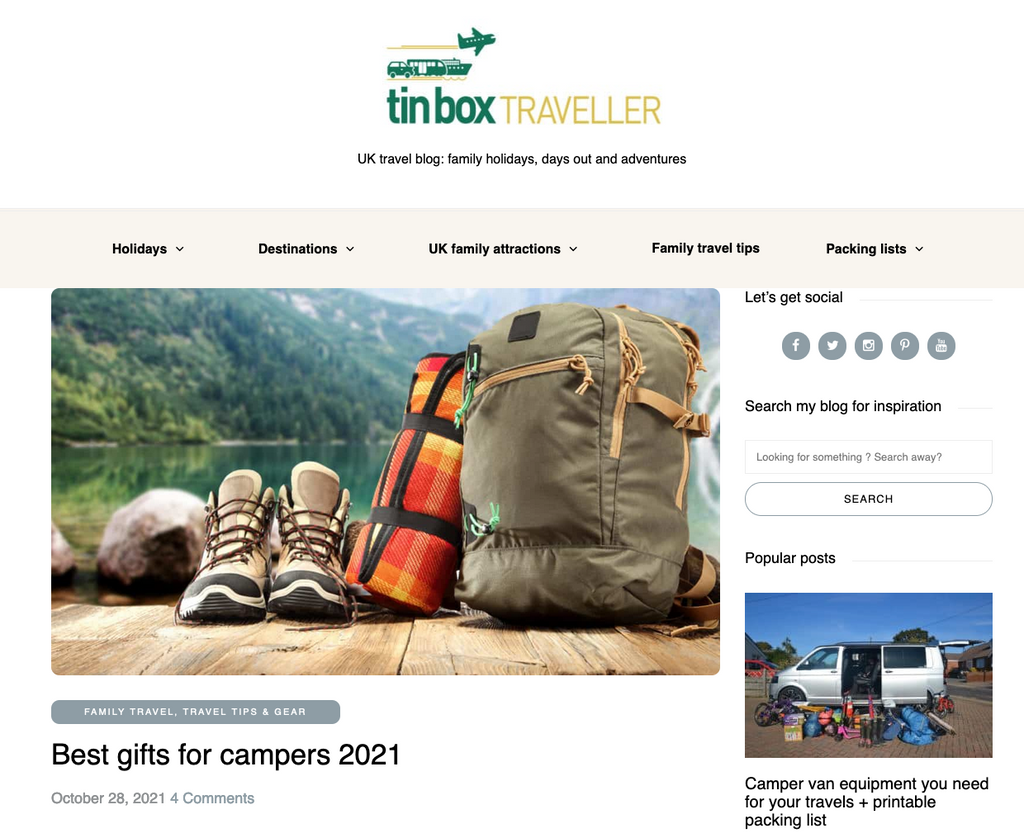

Tinbox Traveller has put together this handy list of Best gifts for Campers 2021. Lovely to see PACMAT included in the "Practical gifts for campers" section. "Give your camper a picnic blanket that encourages their desire to explore." Read the full article here.
5 interestingly named UK spider species to look out for this autumn
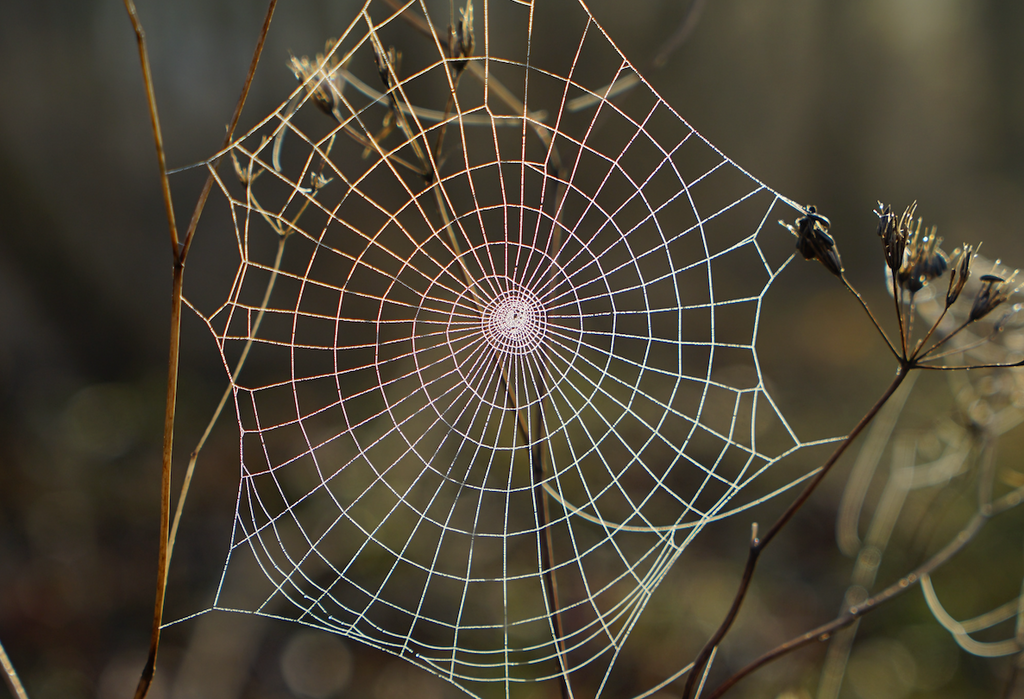

Cucumber Spider These spiders are green all over besides a small red spot on their tail. They can be found up until October in small bushes and hedge rows. They range from 4-6mm long. Jumping SpiderThis spider does not build a web but rather jumps on its prey. They are small (around 4mm) black, shiny and metallic looking - so look out for them shimmering in the autumn sun. Running Crab SpiderRunning Crab Spiders can be found in the UK from April to October in low growing vegetation. They are also small, reaching approximately 5mm in length. Like the jumping...
National Parks bucket list


Here are our top reasons for visiting Britain's National Parks Brecon Beacons The Brecon Beacons is a mountainous National Park, rich with legend, culture and prehistoric discovery. It is on out bucket list for:• Guided trips of one of the most significant cave systems in Europe.• The world famous Hay Festival of Literature and Arts.• Mysterious castles and charming villages.• Stunning walking routes to the top of Pen Y Fan, the highest peak in South Wales. Norfolk Broads The Norfolk Broads is gentle countryside escape, with rolling landscapes as well as an endless array of navigable rivers and wetland. It...
Beach activities, whatever the weather
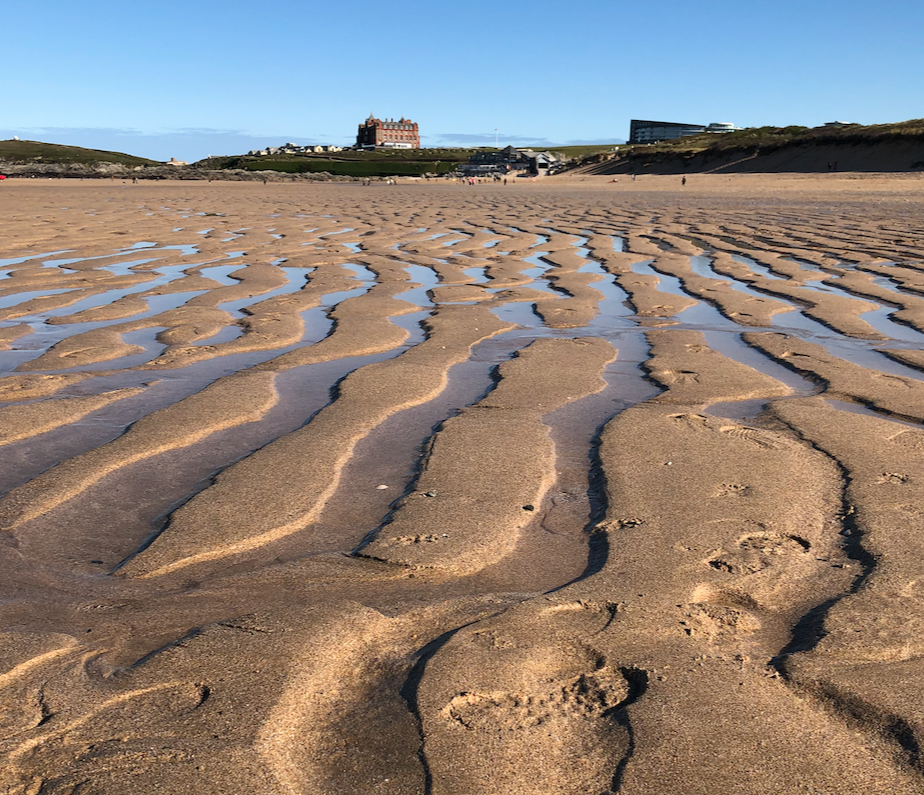

Beachcombing The glory of Britain’s beaches does not have to peak in the summer. Beachcombing is a great way to keep kids entertained whilst enjoying the great outdoors. Here are just a few examples of what you might find… FossilsThere are many great spots in the UK for finding ammonites, trilobites, and even shark teeth. But the Jurassic coast in Dorset is one of the top destinations for a day of a fossil finding. Shells From long razor clam shells, to the pearly shell of the common oyster, Britain’s beaches are full of treasures. Why not see how many...
Autumn days
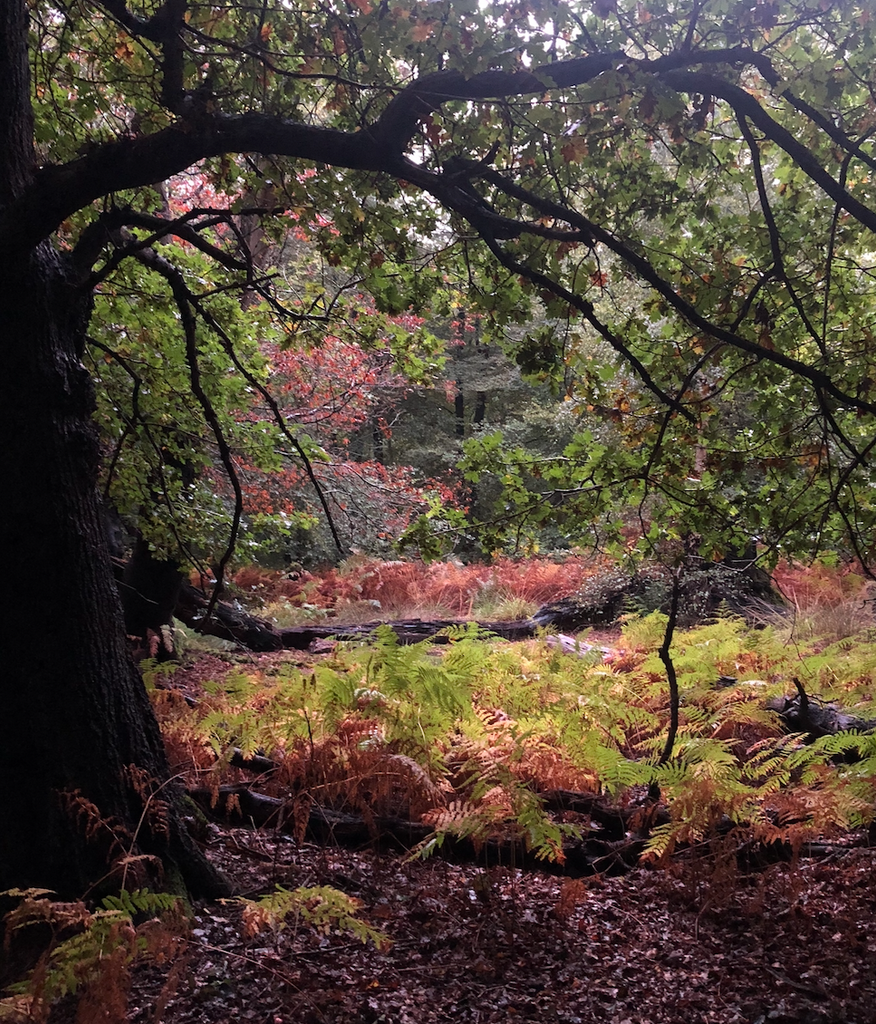

Autumn is well under way and so, vibrant oranges and reds are emerging in our parks and countryside. Collecting fallen leaves is a great autumn activity. As well as a reason for getting out and about, they make for so many arts and crafts opportunities too! Here are a few of our favourite: Glitter leaves Using glitter glue, trace along the stems and veins of the leaves. Tie up with string and hang in front of your window for a shimmering autumn decoration. Leaf printing This will work with leaves that have not yet dried out. Using a paint...